
“Who owns it?”
In Nigeria, that’s still the first question people ask about almost any business. Before the price, before the reviews, before the location. Who’s behind this thing, and do I trust them?
The data says the same thing from another direction. By LinkedIn‘s own figures, content shared by people earns roughly eight times the engagement of the same content shared by company pages. The platforms didn’t decide that. People did. They skim past logos and stop for faces. They trust individuals over institutions, and they buy from humans they feel they know.
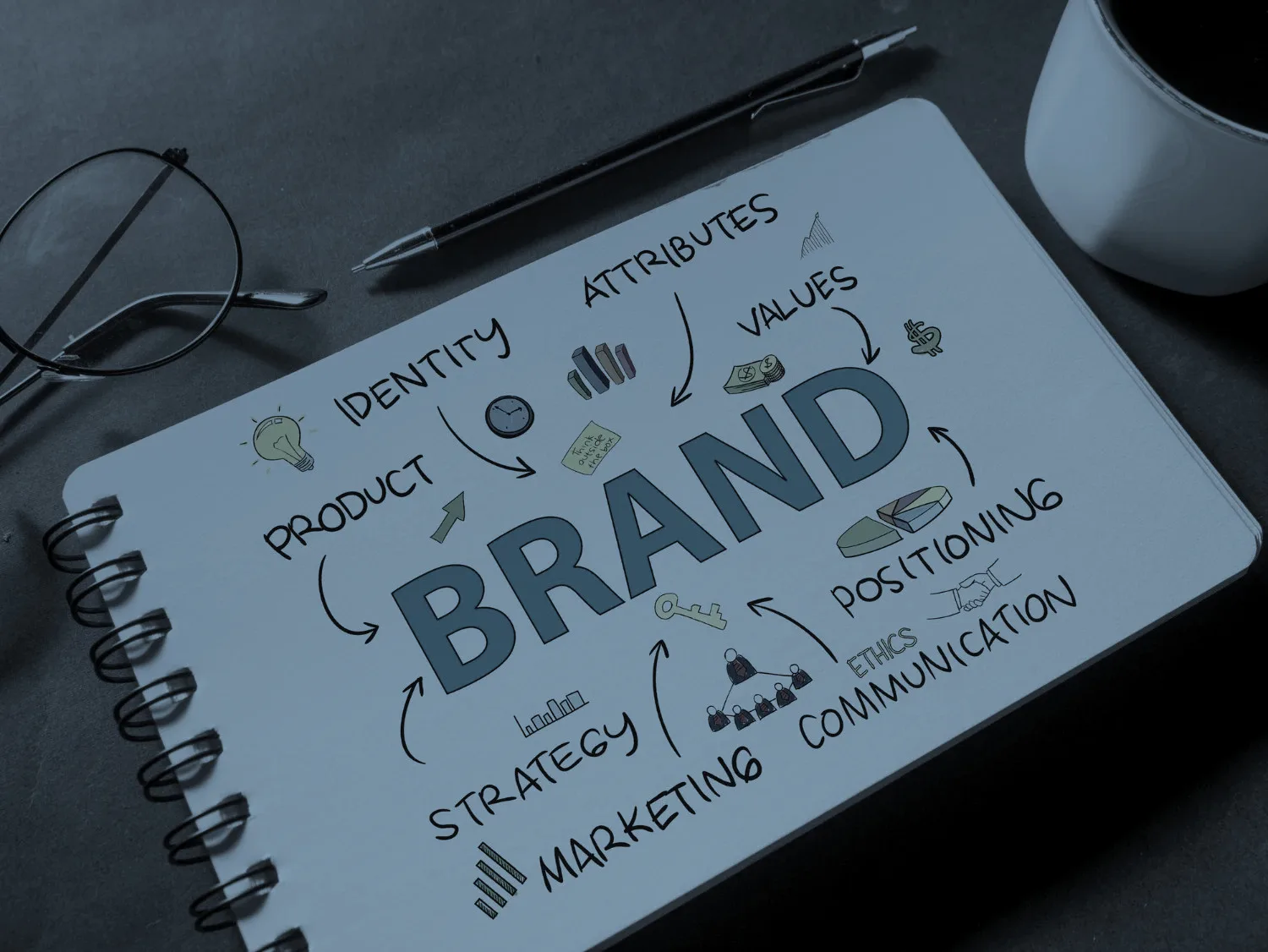
Personal branding has an image problem, all hustle and cringe, so let’s define it properly. It’s a founder publishing useful expertise, consistently, in their own voice, where their buyers already are. Done that way, it’s the most powerful marketing asset a small business has, because no competitor can copy it.
The Founder as the Channel
Beyond the eight-times engagement gap, the 2026 research keeps arriving at the same place. The niche-expert effect shows up again and again in B2B lead generation. A specialist with a small, engaged following often produces more qualified leads than broad profiles with many times the reach, and qualified leads are the only metric that pays.
At the end of Iron Man, Tony Stark is handed a cover story to read to the press. He drops the cards and tells them it’s him. In a market that asks who owns it, the founder who steps out from behind the logo usually wins.
Most buyers now arrive with a shortlist already formed, built partly from the visible people in a category. A founder publishing real expertise is building that shortlist in public.
The trust that powers referrals and small creators, people believing people, works here too, and this time the person has every incentive aligned with the business.
The timeline is kind as well. Consistent posting often produces the first qualified conversations within weeks. That’s faster than SEO and cheaper than ads, and it compounds like neither.
Build a System. Skip the Persona.
- One platform, chosen by where your buyers are. For B2B and professional services, that’s LinkedIn, no contest. For consumer businesses, it’s Instagram or TikTok, where a founder-fronted account routinely beats the brand account. One platform done weekly beats four done occasionally.
- Publish answers. The founder-brand graveyard is full of motivational quotes. What works is the same material that powers every content strategy, the questions customers actually ask, answered with the detail only a practitioner has. What things cost. What goes wrong. How to choose. What you’d do differently. Your unfair advantage over every content marketer is that you have the scars, so use them.
- Document the real work. The easiest and most credible format is narrating what you actually do. The project you delivered, the problem you solved this week, the lesson from a client call (anonymised). It needs no persona, which is exactly why you can keep it up, and why it reads as true. Two or three posts a week of real work, in your actual voice, Nigerian cadence included, beat daily manufactured wisdom.
- Let the profile do the selling. The posts earn attention, and the profile converts it. That means a bio that says who you help and how, proof pinned where visitors land, and a visible path to the business. Then your posts can stay 90% generous and 10% ask, which is the ratio audiences forgive.
- Route it into the machine. A DM from a post is a lead on the clock. A reader halfway through a decision belongs on a list you own. And measure it like everything else, in conversations and customers. A founder brand that gets applause and no pipeline is a hobby with a ring light.
“Doesn’t this make the business depend on me?” Partly, yes. It already does, though. Personal branding just makes visible the key-person reality every small business lives with. Your face opens doors the logo can’t, while the business builds the assets that outlast any face, like documented results, a real content library, working systems and, eventually, other visible team members. The founder brand is scaffolding for the company brand. And the opposite risk is bigger. A faceless SME in a who-owns-it market is choosing the harder game for no prize.
Five Questions, One Platform
Choose the one platform where your buyers already spend time. Write down five questions customers asked you this month. Answer one of them there, in your own voice, with a detail only someone doing the work would know. Then keep going, two or three times a week.
A year from now, no competitor will be able to copy the year they didn’t spend.
If you’re not sure visibility is where your marketing is weakest, the free 2-minute diagnostic will tell you. It scores your four walls in about two minutes.
P.S. Founders spending ₦1M or more a month on marketing also qualify for a free 30-minute Leak Check. You’ll talk to a person, obviously.
Figures referenced, including personal-versus-company engagement, the niche-expert lead data, shortlist formation and platform timelines, come from the 2026 B2B and platform research sourced in the linked guides and were current as of mid-2026. Several come from platform datasets and are directional. Results vary with consistency, niche and execution. This article is general information, not a guarantee of results.
This article covers one part of a bigger system. Our guide to digital marketing in Nigeria shows how the four walls fit together, and the order to build them in.